
Dental implants have become one of the most effective and reliable solutions for replacing missing or damaged teeth. Unlike dentures and bridges, dental implants provide a permanent, natural-looking solution that restores both the functionality and aesthetics of a person’s smile. Over the years, advances in dental technology have made dental implants more accessible, durable, and affordable. In this article Tooth Extraction Highlands Ranch, we will explore what dental implants are, the process of getting them, the benefits they offer, and who is a good candidate for the procedure.
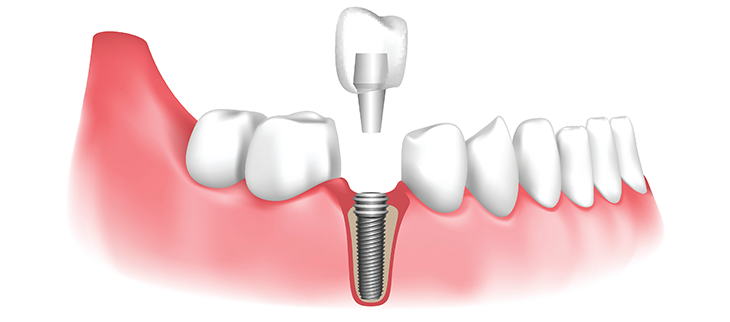
Dental implants are titanium posts or frames that are surgically placed into the jawbone beneath the gum line. These implants serve as a base for attaching replacement teeth or bridges, effectively replacing the missing tooth roots. The process of getting dental implants involves multiple stages, beginning with a consultation with a dentist, followed by a surgical procedure to place the implant, and finally the attachment of the replacement tooth or teeth.
The first step in the dental implant process is a comprehensive evaluation. During this consultation, the dentist or oral surgeon will assess the patient’s overall oral health, including the condition of the gums, teeth, and jawbone. X-rays or 3d scans may be taken to examine the jawbone structure and determine if there is sufficient bone density to support the implant. If there is not enough bone, the dentist may recommend bone grafting to enhance the jawbone and create a stable foundation for the implant.
Once the initial assessment is complete and the patient is deemed a good candidate for dental implants, the next step is the surgical placement of the implant. This procedure is typically performed under local anesthesia to ensure that the patient remains comfortable. The oral surgeon will make a small incision in the gum tissue to access the jawbone. The titanium implant is then carefully placed into the bone, and the gums are stitched up to allow for healing.
After the implant is placed, the next crucial phase is the healing period. Over the course of several months, the implant will fuse with the jawbone in a process known as osseointegration. This fusion is vital for the success of the implant, as it creates a solid, stable foundation for the replacement tooth. While the implant is healing, patients may be given a temporary crown or bridge to restore their smile.
Once the implant has successfully integrated with the bone, the next step is the attachment of the abutment, a small connector piece that links the implant to the replacement tooth. The abutment is placed above the gum line and is often done in an outpatient setting with local anesthesia. After the abutment is in place, the gums may need to heal around it for a few weeks before the final restoration is attached.
The final stage of the dental implant process involves placing the custom-made crown, bridge, or denture onto the abutment. The restoration is designed to match the color, shape, and size of the patient’s natural teeth, ensuring a seamless and natural-looking result. The dentist will make any necessary adjustments to ensure that the restoration fits comfortably and functions properly.
One of the most significant advantages of dental implants is their durability. With proper care and maintenance, dental implants can last a lifetime. Unlike dentures, which need to be replaced periodically, dental implants are designed to be permanent. This longevity makes them a cost-effective option in the long run, despite the initial investment required for the procedure.
Another key benefit of dental implants is that they offer a more natural look and feel compared to other tooth replacement options. Because dental implants are anchored directly into the jawbone, they mimic the function and appearance of natural teeth more effectively than removable dentures or bridges. Implants do not slip or shift like dentures, allowing patients to speak, eat, and smile with confidence.
In addition to improving the appearance of a person’s smile, dental implants can also improve oral health. When a tooth is lost, the surrounding jawbone can begin to deteriorate due to lack of stimulation. Implants provide the necessary stimulation to the bone, helping to maintain its density and prevent bone loss. This is especially important for preserving the structure of the face and jaw, as the loss of bone can lead to a sunken appearance.
Dental implants also help to preserve the integrity of surrounding teeth. Unlike bridges, which require the removal of healthy tooth structure from adjacent teeth, dental implants stand alone and do not affect the neighboring teeth. This helps to maintain the overall health of the remaining natural teeth.
While dental implants offer numerous benefits, not everyone is a suitable candidate for the procedure. Ideal candidates for dental implants are individuals who have healthy gums, sufficient bone density, and are in overall good health. Patients with conditions such as gum disease, uncontrolled diabetes, or certain autoimmune disorders may require additional treatments before undergoing implant surgery. Smokers may also be at a higher risk of implant failure due to the impact of smoking on healing and bone health.
The cost of dental implants can vary depending on factors such as the number of implants needed, the type of restoration, and the complexity of the procedure. While dental implants tend to be more expensive than other tooth replacement options, many patients find that the long-term benefits and improved quality of life make the investment worthwhile. Many dental offices offer financing options to help make dental implants more affordable for patients.
In conclusion, dental implants offer a durable, natural-looking, and functional solution for people who have lost teeth. The procedure involves multiple stages, from the initial consultation to the final placement of the restoration, but the result is a long-lasting and reliable replacement for missing teeth. The benefits of dental implants, including their longevity, improved oral health, and enhanced appearance, make them an excellent option for many patients. If you are considering dental implants, consult with a qualified dentist or oral surgeon to determine if they are the right choice for your needs. With proper care, dental implants can provide a beautiful, functional smile for many years to come.