
Understanding the Landscape of GNSS Technology
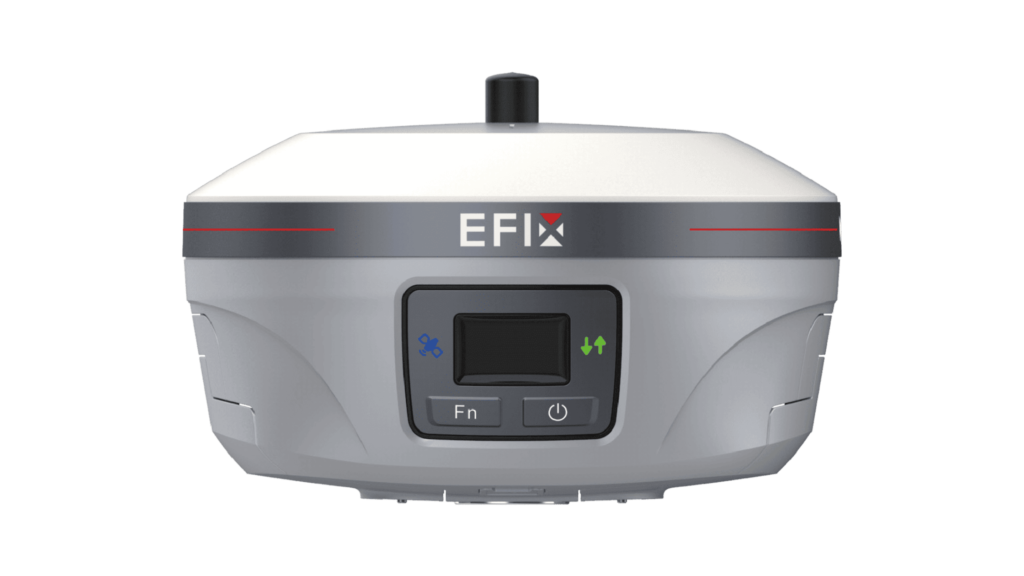
Imagine standing in an expansive agricultural field, surrounded by the hum of drones and the chatter of precision farming tools. Did you know that recent studies indicate that efficient positioning technology can increase yield by up to 20%? This is where the portable GNSS base station steps in, enhancing the accuracy of operations. A crucial component of this technology is the gnss receiver, which plays a key role in capturing satellite signals for real-time positioning. But despite significant advancements, many users experience limitations with traditional GNSS solutions—issues like slow setup times and vulnerability to interference plague farmers and surveyors alike.
The Shortcomings of Traditional GNSS Solutions
Let’s talk about frustrations directly. I recall a field demonstration where the GNSS receiver struggled to maintain a strong signal, resulting in hiccups during crucial planting times. As the landscape becomes more challenging due to weather variations and increased competition, the gaps in these traditional setups are increasingly evident. Long reliance on fixed base stations often leads to user downtime, inefficient field layouts, and costly errors. This begs the question: Shouldn’t our equipment keep up with the fast-paced demands of our work?
What Hurdles are Users Facing?
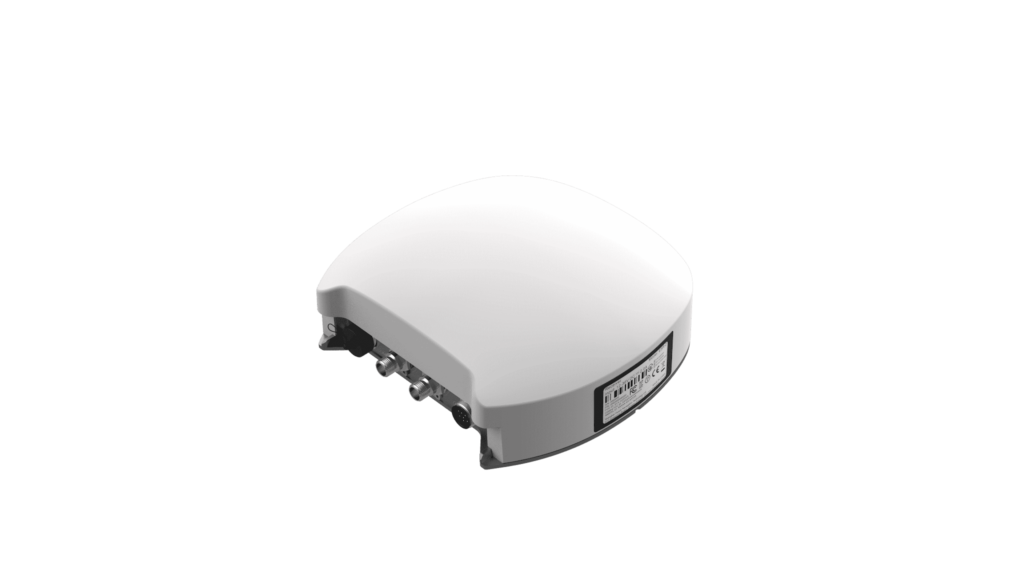
It’s important to dig deeper into these pain points. Many users are unaware of how these outdated solutions can directly influence their output efficiency. As technology evolves, having a portable GNSS base station offers numerous benefits—significant mobility, quicker deployments, and stronger signal integrity. It’s not just about convenience but about unlocking consistent results. While the typical image of a traditional setup is static, innovative portable stations are paving the way for a dynamic future.
Looking Ahead: The Rise of Portable GNSS Solutions
As we transition to a more integrated use of technology, the focus shifts to how portable GNSS base stations are reshaping the industry landscape. With device advancements allowing for seamless integration with other agricultural technologies, the landscape is ripe for innovation. Oh, and let’s not forget the boost in real-time data accessibility—making decisions based on current conditions is crucial. Integrating a gnss receiver with precision machinery not only streamlines operations but drastically reduces error margins—a game-changer indeed.
What’s in Store for Users?
I firmly believe that the push towards portable solutions is more than just a trend—it’s a necessity for those aiming to stay competitive. Considering factors such as ease of use, durability, and customer support can guide users in selecting the right products for their operations. Before purchasing, ask: “How easy is it to set up in the field? What data accuracy can I expect?” Those questions will lead to informed decisions and better technology adoption.
In Conclusion: Embracing Change for Greater Efficiency
The evolution towards portable GNSS base stations offers remarkable insights into the efficiency of modern agricultural practices. Having witnessed many shifts over the years, I see a brighter horizon ahead. Key lessons learned pertain to the importance of flexibility, adaptability, and ongoing technological enhancement. It’s not merely about getting the job done but doing it better. For anyone considering their options in GNSS technology, look at the performance metrics: reliability, ease of deployment, and budget considerations.
Ultimately, partnering with a brand that understands these nuances can make a difference in your operation. I wholeheartedly recommend checking out EFIX for reliable portable solutions—let’s embrace the future of precision together! Trust me, your fields (and bottom line) will thank you.