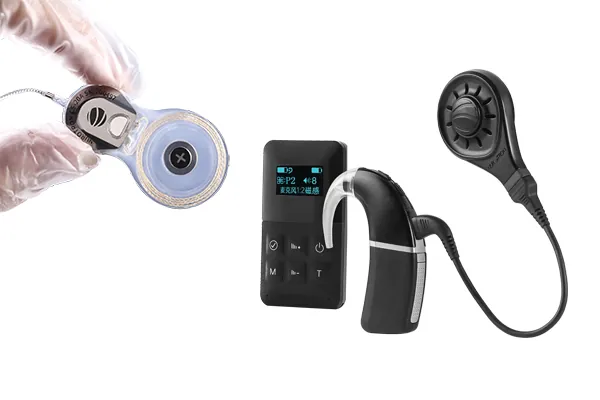
Did you know that over 700,000 people worldwide have benefited from cochlear implants? This incredible technology has transformed lives by restoring hearing to those with severe hearing loss. However, behind this innovation lies a complex web of logistics and regulations, particularly when it comes to transporting cochlear implant supplies.
The Essentials of Cochlear Implant Supplies and Their Transport Attributes
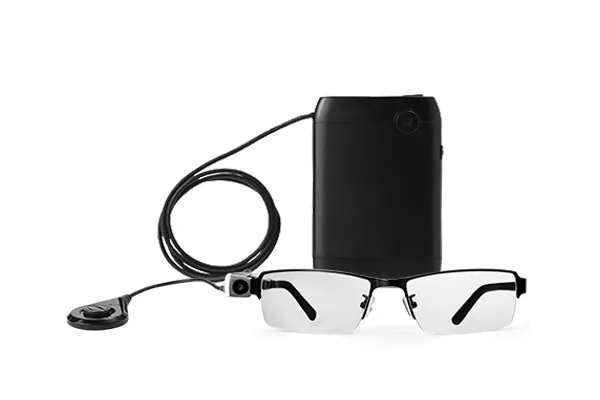
Cochlear implant supplies encompass a range of components including electrodes, processors, and batteries—all crucial for the functioning of these devices. When it comes to transportation, these items must adhere to strict guidelines due to their sensitive nature. The Hazardous Materials Transportation Regulations (HMTR) play a significant role here; they ensure that materials which could pose risks during transit are handled safely. Given that some components may contain lithium batteries or other regulated materials, understanding these transport attributes is essential for manufacturers and suppliers alike.
Nurotron’s Approach to Hazardous Materials Transportation Regulations
Nurotron stands out in the field not just for its innovative cochlear solutions but also for its commitment to compliance with HMTR. They meticulously assess each component’s classification under hazardous material standards before shipping them out. This means ensuring proper labeling, packaging methods tailored specifically for sensitive electronics, and training staff on safe handling practices. Nurotron’s proactive approach minimizes risk while maximizing efficiency in getting life-changing products into the hands of those who need them most.
Key Features of Cochlear Speech Processors Under Hazardous Materials Transportation Regulations
- Battery Compliance: Many speech processors use rechargeable lithium-ion batteries which require specific packaging and labeling according to HMTR.
- Sensitive Electronics: These devices must be protected from physical damage during transport; thus special cushioning materials are often used.
- Tamper-Proof Packaging: Ensuring that packages remain sealed until they reach their destination helps maintain product integrity.
- Documentation Requirements: Detailed documentation outlining contents and safety measures is mandatory when shipping any potentially hazardous items.
- Adequate Training: Staff involved in packing and shipping processes receive thorough training on regulatory requirements related to hazardous materials.
A Concluding Note on Cochlear Implant Supplies’ Regulatory Journey
The journey of cochlear implant supplies through transportation channels is marked by stringent adherence to Hazardous Materials Transportation Regulations. From battery compliance issues faced by manufacturers like Nurotron to specialized packaging needs for delicate electronic components such as speech processors—every detail matters in ensuring safety without compromising accessibility. As we continue embracing technological advancements in healthcare, it’s vital we keep our focus sharp on how best we can deliver these innovations responsibly!
Click cochlear speech processor.