
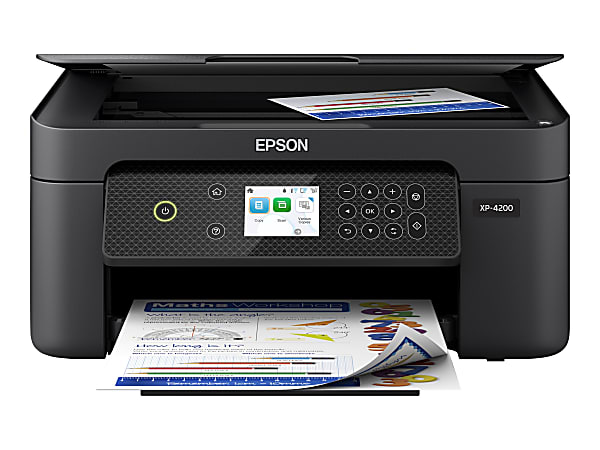
Color printing has become an everyday necessity for homes, offices, and creative studios alike. Whether you’re producing marketing materials, printing vibrant photos, or simply wanting your reports to stand out, understanding the basics of color printing is essential. But color printing isn’t just about hitting the print button and hoping for the best—it involves a combination of printer technology, ink quality, paper type, and design awareness. As technology advances and printing options evolve, navigating this space with some background knowledge can help you make better decisions, save money, and produce consistently high-quality results.
At the heart of color printing is the concept of color reproduction, and it’s more complex than it seems. Most color printers use a combination of cyan, magenta, yellow, and black ink—collectively known as CMYK—to create the full spectrum of colors. Unlike the RGB color model used on screens (which combines red, green, and blue light), printers mix physical inks, and this limitation means not all screen colors translate color label printer to paper. That’s why what you see on your monitor might look different when printed. Professional designers and photographers often calibrate their screens and use color profiles to manage these inconsistencies, but for everyday users, understanding that there will be some variation is important to avoid disappointment.
Choosing the right type of printer plays a major role in your color printing experience. Inkjet printers dominate the home and creative market thanks to their ability to produce rich, detailed images and smooth gradients. They’re ideal for photo printing and color-heavy graphics, but the trade-off is slower speeds and frequent ink replacements. Laser printers, on the other hand, use toner instead of ink and are generally faster, more durable, and better suited for high-volume jobs with moderate color use. While early color laser printers lacked the vibrancy of inkjets, newer models have significantly improved in quality, making them a viable option even for some image-heavy tasks.
Equally important is the type of paper you use. It might surprise you, but not all paper is created equal. Regular copier paper may be fine for basic documents, but it often absorbs ink poorly, leading to washed-out colors and blurry lines. For color printing, especially for photos or graphics, using glossy or matte photo paper can dramatically enhance quality. These papers are designed to hold ink on the surface, producing sharp, vivid prints with accurate color. There are also specialty papers made for brochures, posters, or greeting cards, and matching the right paper to your printing goal can make a noticeable difference in output.
Let’s not forget about ink and toner quality, which directly impacts both print quality and cost-efficiency. Original cartridges from manufacturers usually offer the best performance, ensuring optimal compatibility and color fidelity. However, they come at a premium. Many users opt for third-party or remanufactured cartridges to save money, but results can vary. Poor-quality ink can clog nozzles, fade quickly, or cause color imbalances. Some printers now feature refillable ink tanks, offering high yields at a lower cost per page—especially attractive to students, small businesses, and photographers who print frequently. Whichever option you choose, it’s smart to consider not just the price per cartridge but also the number of pages it will produce—also known as the page yield.
Understanding resolution and print settings is another key piece of the puzzle. Printer resolution, measured in dots per inch (DPI), determines the level of detail a printer can reproduce. A higher DPI generally results in sharper and more detailed prints, but keep in mind that beyond a certain point, higher DPI may not yield noticeable differences for the average eye—especially on regular paper. Most printers also offer print settings that affect quality and speed: draft mode, normal mode, and best/photo mode. Draft mode uses less ink and prints faster, but with lower quality. Best mode is ideal for final outputs like photos or presentations, though it consumes more ink and takes longer. Learning when to switch between these modes can help balance quality and resource use.
Today’s printers also come with a wide array of smart features and connectivity options that make color printing more accessible than ever. Wi-Fi-enabled printers allow wireless printing from smartphones, tablets, and laptops, while cloud printing lets you send documents from anywhere in the world. Mobile apps often include features like ink monitoring, scanning, or even image editing before you print. Some advanced models integrate with cloud storage services like Google Drive or Dropbox, streamlining workflows for remote workers and teams. Whether you’re tech-savvy or just looking for convenience, choosing a printer with the right connectivity features can significantly enhance your printing experience.
Another crucial aspect to understand is maintenance and longevity. Color printers, especially inkjets, need regular use to prevent ink from drying or print heads from clogging. If you leave them idle for weeks, you may face poor output or even hardware damage. Some printers offer self-cleaning features, but these use up ink and take time. It’s wise to print a test page or color document occasionally, even if you don’t print often. Keeping your printer in a dust-free environment and using quality paper can also reduce the chance of jams and wear.
Lastly, consider the environmental impact of your printing habits. Color printing consumes more resources—ink, paper, and energy—than black-and-white printing. If you print a lot, switching to recycled paper, using eco-friendly print settings (such as duplex printing to save paper), and recycling your cartridges can help reduce your carbon footprint. Some brands now offer eco-printers built with recycled materials or designed to use less energy and ink. Green printing is becoming more important not just for sustainability, but also for reducing overall costs.
In conclusion, color printing is a dynamic and evolving field that goes far beyond just owning a printer. It’s about understanding how colors are created and transferred to paper, choosing the right hardware and materials for your needs, and using smart practices to get the most out of your device. Whether you’re printing family photos, business flyers, or school assignments, mastering the basics of color printing will help you get professional results while managing your time, money, and resources efficiently. With the right knowledge, you’ll not only avoid common printing pitfalls but also unlock the full potential of your printer.