
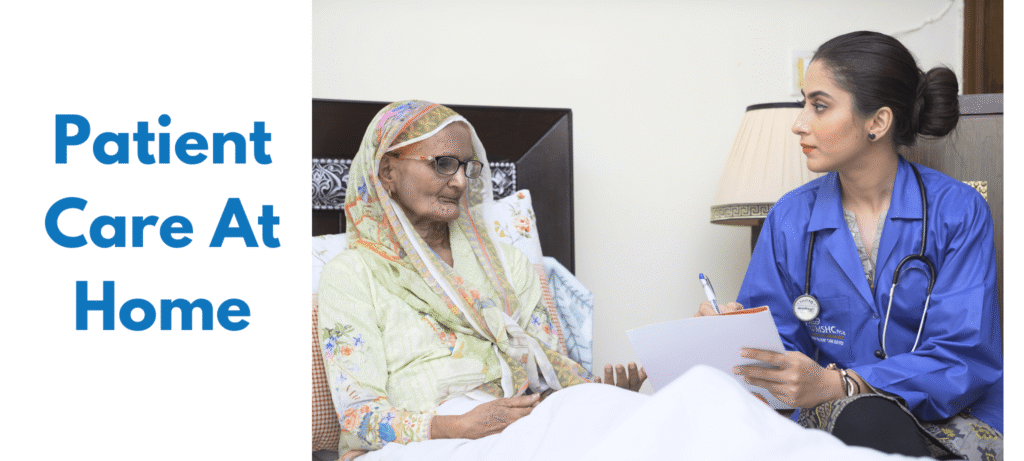
Caring services form the backbone of a compassionate society, providing essential assistance and emotional support to individuals who are elderly, disabled, chronically ill, or facing temporary hardships. These services encompass a wide range of care, from in-home personal assistance and healthcare support to residential and hospice care. At the core of caring services is the commitment to enhancing the quality of life for those who require help with daily living, while preserving their dignity and autonomy. The growing demand for such services highlights their importance in 長者照顧 ensuring well-being across all stages of life.
A person-centered approach is the hallmark of effective caring services. This means tailoring care to the individual’s unique needs, preferences, and cultural background. Whether it involves helping with bathing, dressing, meal preparation, or administering medication, caregivers work closely with clients and families to deliver respectful and personalized care. This individualized attention fosters trust and emotional security, allowing clients to feel valued and understood. Person-centered care also emphasizes empowering individuals by involving them in decisions about their care routines and daily activities, promoting a sense of independence and control.
The emotional aspect of caring services is just as critical as the physical support. Many individuals who depend on care experience feelings of loneliness, anxiety, or helplessness. A compassionate caregiver not only assists with daily tasks but also provides companionship, encouragement, and emotional reassurance. Conversations, shared activities, or simply being present can have a profound impact on the mental health and happiness of clients. Emotional care becomes especially vital for those living alone or coping with life-limiting conditions, where a caregiver often becomes a trusted confidant and source of comfort.
Quality in caring services heavily relies on the skills, dedication, and resilience of the caregivers themselves. These professionals must balance technical knowledge with deep empathy and patience. They often deal with physically demanding tasks and emotionally challenging situations, requiring both stamina and a calm demeanor. Proper training and ongoing professional development are vital to ensure caregivers are equipped to handle medical emergencies, administer treatments, and provide effective support. Additionally, organizations must ensure fair working conditions and emotional support for caregivers, as their well-being directly influences the quality of care they provide.
Technology is playing an increasingly significant role in transforming caring services. From remote monitoring devices and medication reminders to video calls with healthcare professionals, digital solutions are enhancing the efficiency and responsiveness of care. Families can now stay informed about their loved ones’ well-being in real time, while clients enjoy increased independence through user-friendly assistive technologies. Telehealth consultations have become a practical option for routine check-ups, reducing the need for travel. These innovations are not only making care more accessible but also improving safety, personalization, and continuity of service.
In conclusion, caring services represent far more than practical assistance—they are about human connection, empathy, and respect. They ensure that people facing life’s challenges are not left to struggle alone, but are supported in ways that nurture both body and spirit. As populations age and healthcare demands rise, the role of caring services will become even more central to community well-being. By investing in quality care, empowering caregivers, and embracing technology, society can continue to provide compassionate support to those who need it most, building a future rooted in dignity and kindness.