Did you know that the global robotic vacuum cleaner market is projected to reach a staggering $9.62 billion by 2026? This explosive growth reflects not just technological advancements but also changing consumer behaviors and preferences. As we embrace smart home technologies, robot cleaner apps have emerged as essential tools in our daily lives.
The Market Attributes of Robot Cleaner Apps
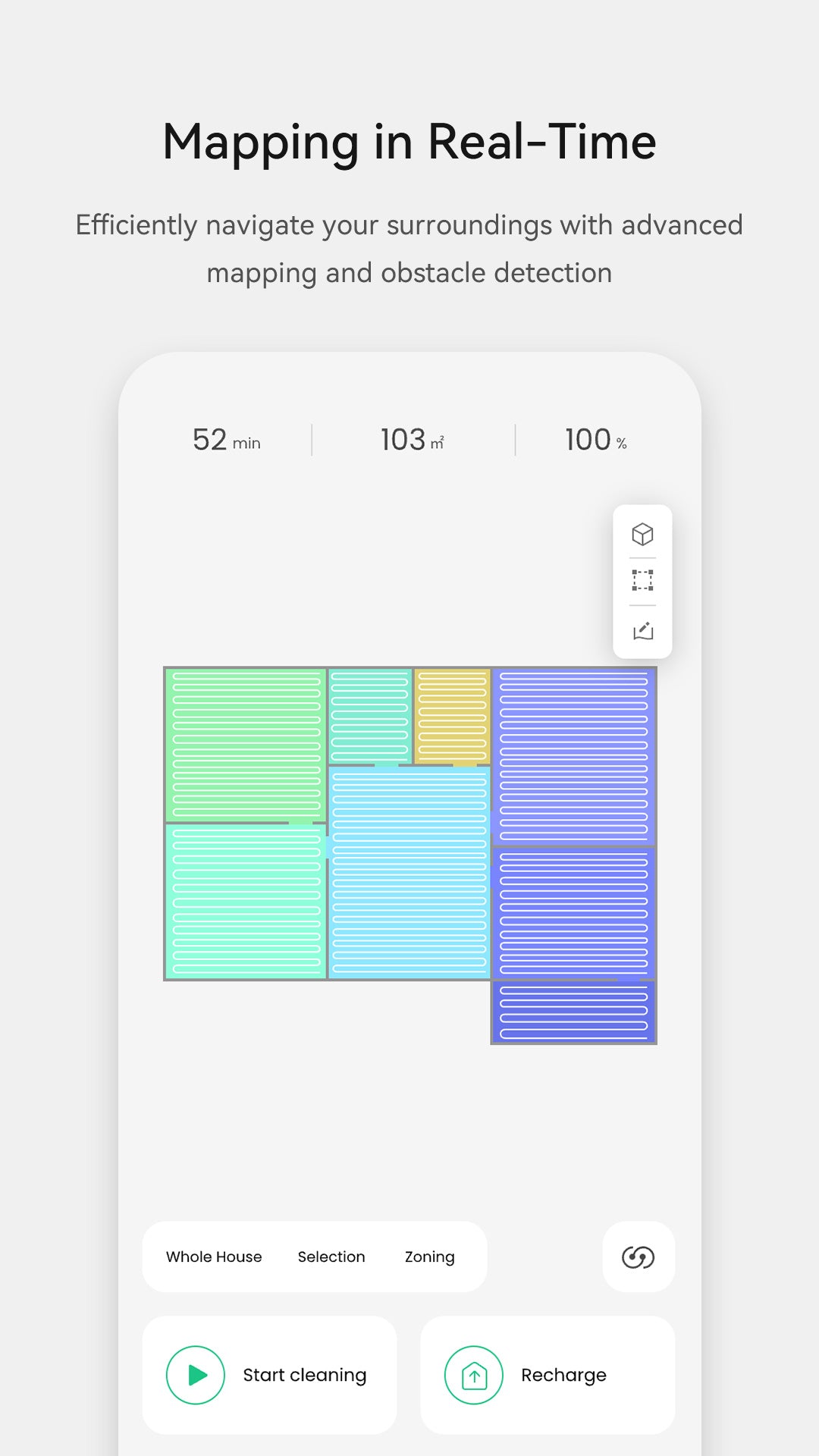
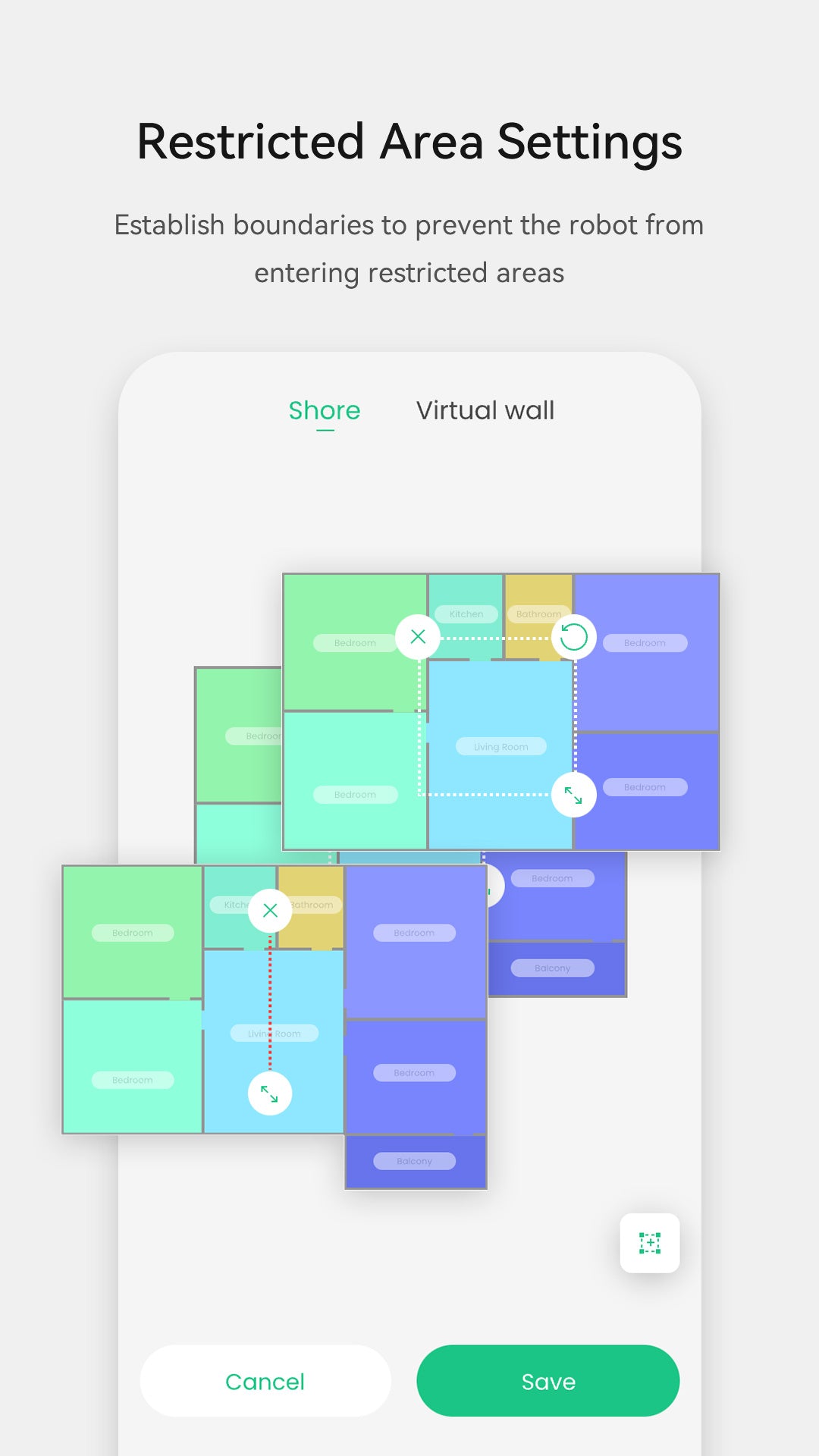
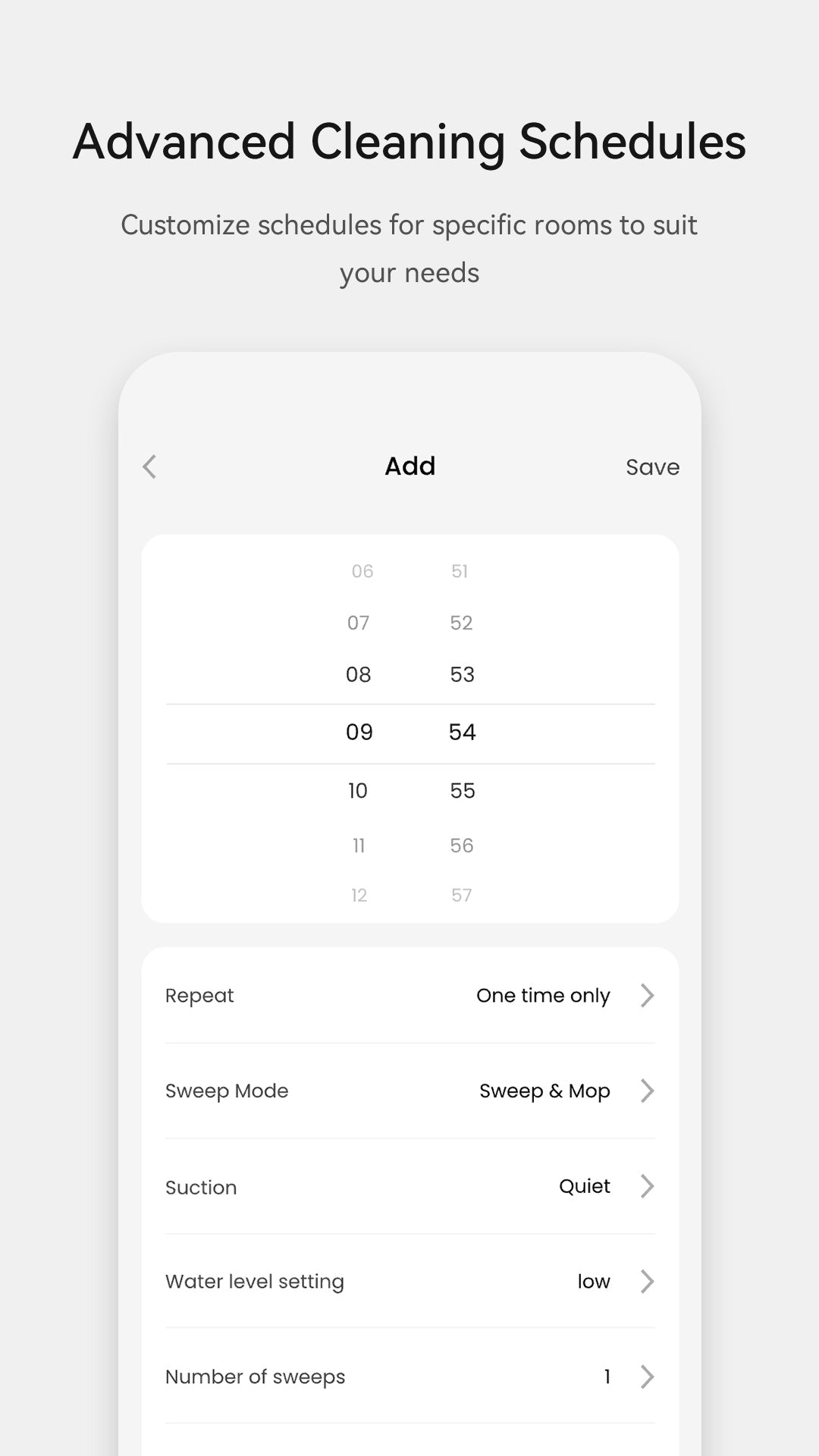
Robot cleaner apps are revolutionizing how we maintain cleanliness in our homes. These applications offer users seamless control over their robotic vacuums, allowing for scheduling, real-time monitoring, and customized cleaning modes—all from the convenience of a smartphone. In terms of market attributes, these apps cater to tech-savvy consumers who value efficiency and convenience. Moreover, they leverage social media strategies effectively; brands often engage with customers through platforms like Instagram and Facebook to showcase product features and user testimonials, creating an interactive community around their products.
Find more about buy vacuum cleaner for home.The Intersection of Buying Vacuum Cleaners for Home & Social Media Strategies
When it comes to buying vacuum cleaners for home use, social media plays a pivotal role in shaping consumer decisions. Brands utilize targeted ads on platforms such as Facebook and TikTok to highlight promotions or new features that appeal directly to potential buyers’ needs—like pet hair removal or allergen filtration systems. Influencer partnerships further amplify this strategy; when popular figures demonstrate the effectiveness of these devices via engaging content, it builds trust among followers who may be considering making a purchase.
Tuvacs: A Case Study in Effective Social Media Strategies
Tuvacs has carved out its niche within the competitive landscape by employing innovative social media strategies tailored specifically for its audience. By utilizing eye-catching visuals and relatable content on platforms like Pinterest and YouTube, Tuvacs showcases not only product functionality but also lifestyle integration—demonstrating how their robot cleaners can enhance everyday living experiences. Their active engagement with customers through comments and feedback fosters brand loyalty while providing valuable insights into consumer preferences.
Conclusion
In summary, robot cleaner apps represent more than just convenient cleaning solutions—they embody a significant shift towards smarter living facilitated by technology. Through effective social media strategies that connect with consumers emotionally while showcasing practical benefits, brands are successfully navigating this evolving marketplace. As we continue embracing automation at home, it’s clear that these innovations will play an increasingly vital role in our lives.