As an expert in the field of engineering ceramics, I am fascinated by the intricate balance between standardization and customization that is required to create these remarkable materials.
Click to find more about engerneering ceramics.The Role of Engineering Ceramics
Engineering ceramics play a crucial role in various industries due to their exceptional mechanical, thermal, and electrical properties. These advanced materials are designed to withstand extreme conditions and provide high-performance solutions for applications such as aerospace components, electronic devices, medical implants, and automotive parts.
The Great Ceramic Revolution
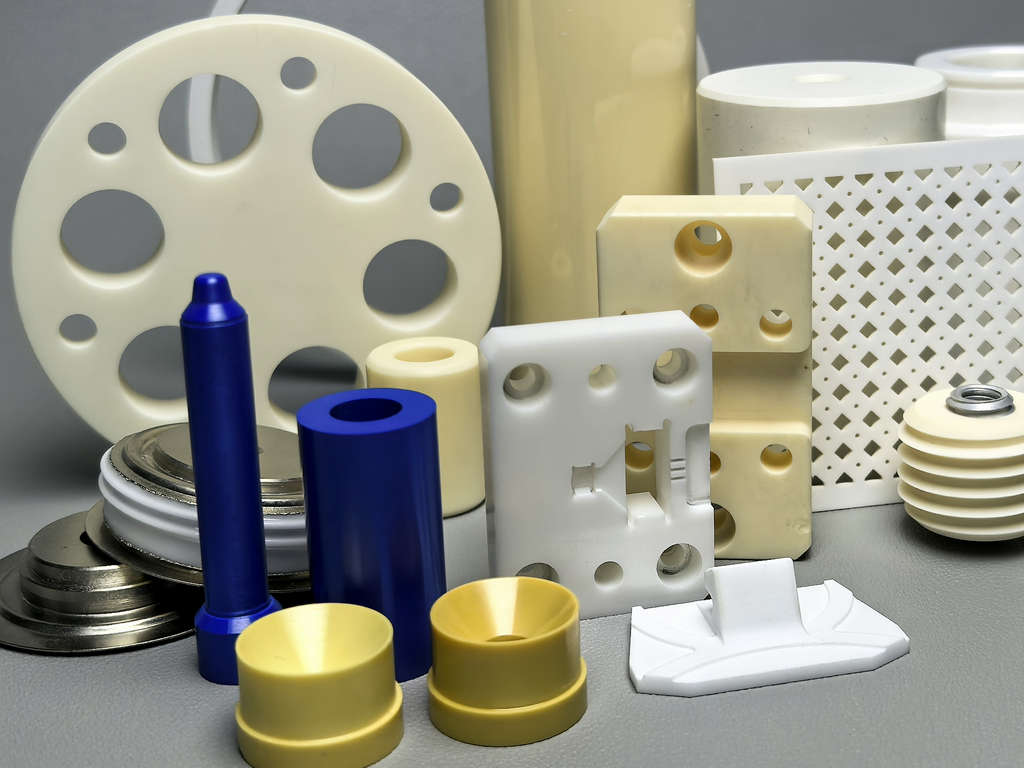
In recent years, there has been a significant revolution in the development of engineering ceramics. The emergence of new manufacturing techniques and material compositions has allowed for greater customization while maintaining standardized quality. This revolution has opened up endless possibilities for tailoring ceramic properties according to specific application requirements.
The Manufacturing Process of Aluminum Nitride Ceramics
One notable example within the realm of engineering ceramics is the manufacture of aluminum nitride (AlN) ceramics. AlN exhibits excellent thermal conductivity along with superb electrical insulation properties, making it ideal for heat sinks in electronic devices.
Find more about Great Ceramic.The production process begins with carefully selected raw materials that undergo precise mixing and milling to achieve a homogeneous blend. The resulting powder is then shaped into desired forms through methods like dry pressing or injection molding.
To enhance its mechanical strength and density, the formed green body goes through a sintering process at elevated temperatures under controlled atmospheres. This step allows for densification while preserving desirable characteristics such as low porosity.
Further customization can be achieved through secondary processes like machining or surface treatments to meet specific dimensional tolerances or improve functional performance.
Conclusion
In conclusion, engineering ceramics strike a delicate balance between standardization and customization. The advancements in manufacturing techniques have revolutionized the field, enabling tailored properties for various applications. The example of aluminum nitride ceramics highlights how precise control over the production process can result in materials with exceptional thermal conductivity and electrical insulation.
As we continue to explore new possibilities in engineering ceramics, it is crucial to maintain this equilibrium between standardization and customization to meet the ever-evolving demands of modern industries.
Click Aluminum Nitride Ceramics manufacture.